Where Drain Smells Actually Come From
A persistent drain or sewage smell is not dirt you can clean away or a scent you can spray over, it is gas or decay reaching the room from the drainage, and it returns until the source is dealt with. In Dubai's heat, decaying waste smells faster, too. Here are the causes, most common first, and how to tell them apart.
A dry or faulty trap (the usual cause)
Every sink, shower, toilet and floor drain has a trap, a bend that holds water and seals the pipe, blocking sewer gas from rising into the room. In a guest bathroom or a floor drain that is rarely used, the water can simply evaporate, breaking the seal and letting gas straight up. Running water to refill the trap often fixes it instantly. A faulty, wrongly-fitted or missing trap does the same and needs correcting.
Decaying waste in a slow pipe
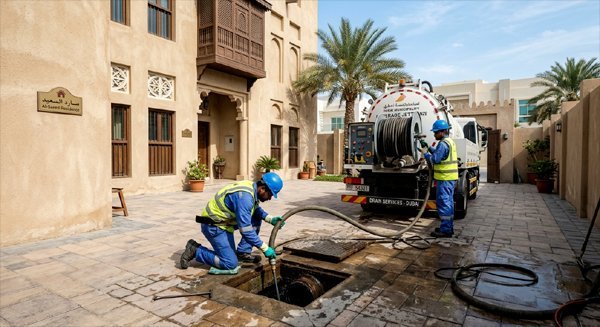
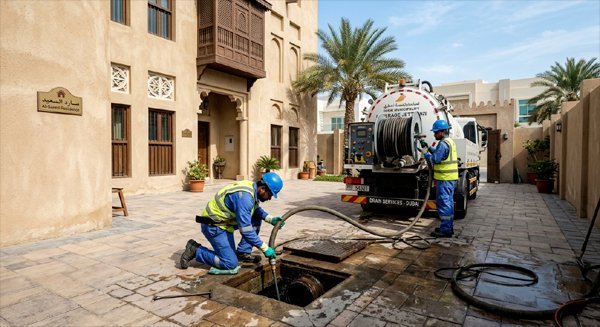
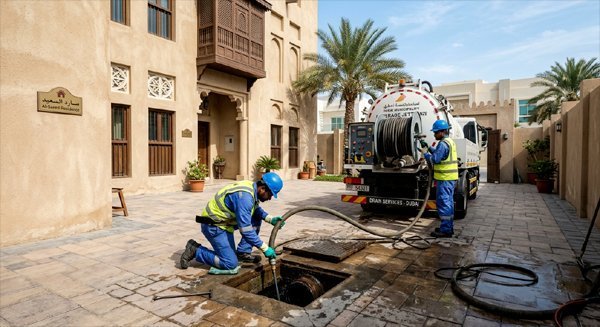
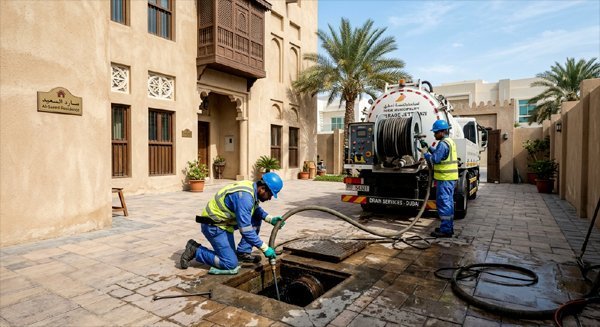
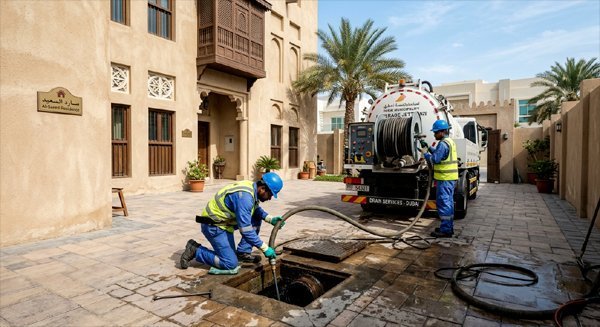
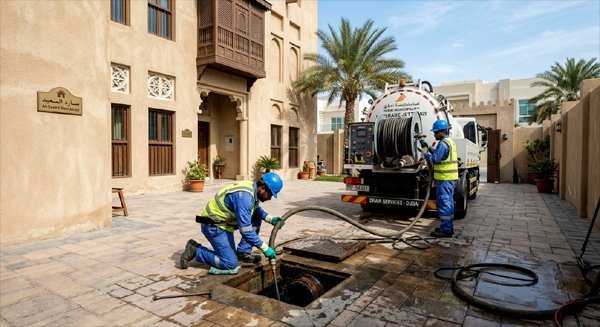
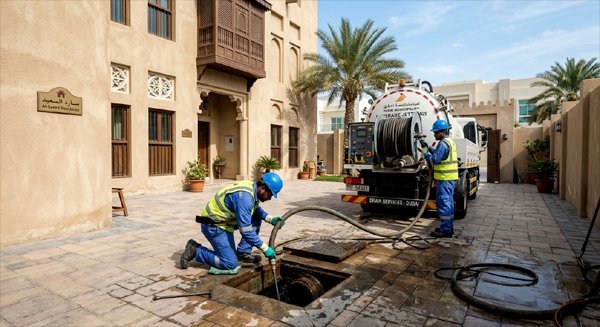
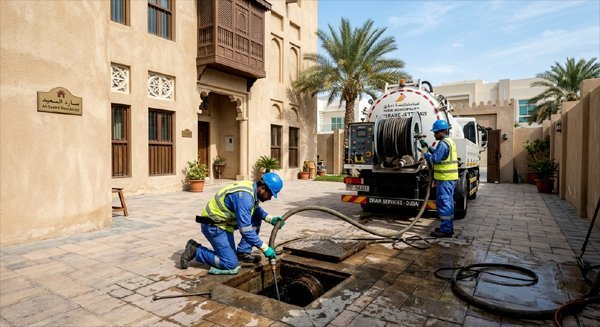
When a pipe drains slowly or is partially blocked, grease and waste sit and rot inside it, and that smells, often before the drain fully backs up. Dubai's heat speeds the decay. Clearing the line removes the rotting material and the odour with it. A smell that comes with slow drainage is usually this, and it is a sign the line needs clearing before it blocks completely.
A cracked or broken drain
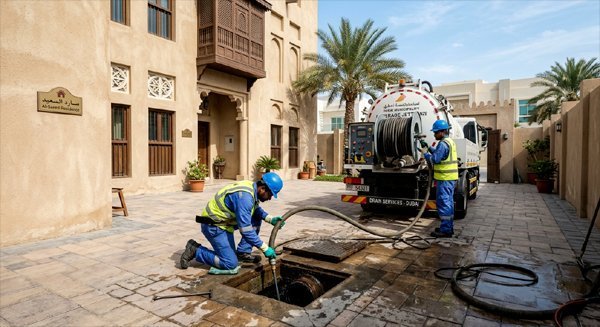
A drain that is cracked, has a displaced joint, or a broken seal can leak sewer gas where it should not escape, sometimes into a wall cavity or under a floor, so the smell seems to come from nowhere. This is harder to trace and usually needs a camera to locate. If the smell is not a dry trap and is not a slow drain, a fault in the pipe is the next thing to check.
Why air fresheners do not work
Sprays, bleach and drain perfumes cover a smell for a few hours, then it returns, because the source is untouched, the trap still lets gas up, the waste still rots, the drain still leaks. The only lasting fix is to find and address the cause. Once that is done, the smell does not return on its own, and you stop chasing it with chemicals.