
First Steps in a Sewage Backup
A sewage backup, waste water rising from a toilet, shower or floor drain, is both a health hazard and a sign of a serious blockage, usually in the main line. What you do in the first few minutes limits the damage. The priority is to stop adding water to the system, keep people safe from the contamination, and get an emergency team to clear the main line. Here is the order to act in.
Stop using all water
The moment you see sewage backing up, stop using every tap, toilet, shower, washing machine and dishwasher in the property. The backup means the main line cannot carry waste away, so every litre you add makes it worse. Tell everyone in the building to stop using water until the blockage is cleared. This single step does the most to limit the overflow.
Keep people and pets safe
Sewage carries bacteria and is a genuine health risk, so keep people and pets away from the contaminated area, do not walk through it and track it through the property, and ventilate the area if you can. Do not touch the waste water without protection. Protecting health comes before protecting property.
What not to do
Do not pour chemical drain cleaners into a backed-up drain, they will not clear a main-line blockage and they leave hazardous caustic water sitting in the overflow. Do not keep flushing to try to push it through. Do not attempt to open the main line yourself if you are not equipped, because a pressurised blockage can release suddenly.
Call an emergency drainage team
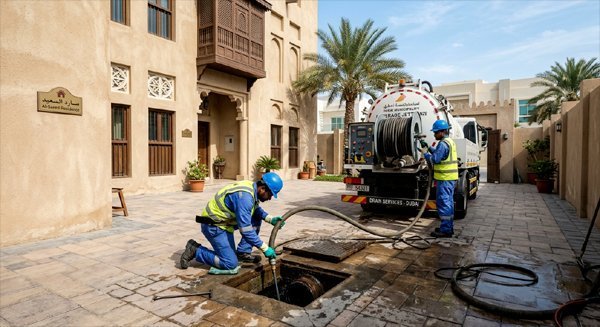
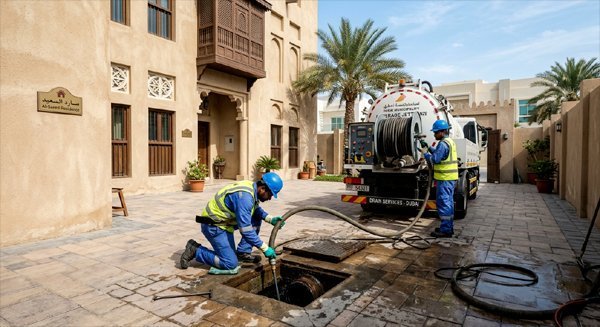
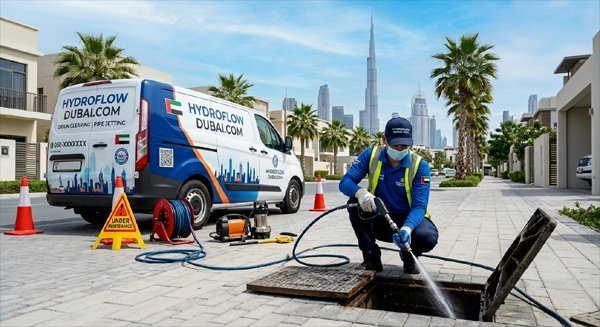
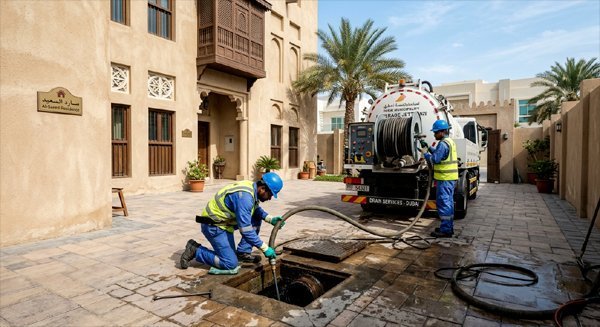
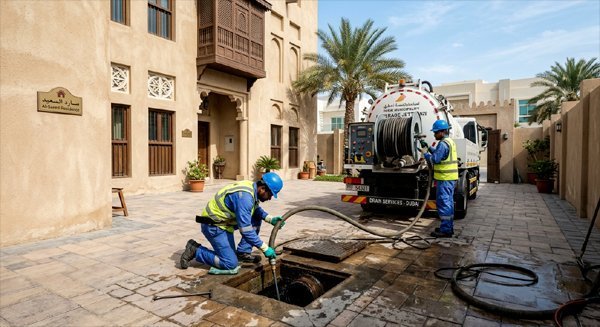
A sewage backup almost always means a blocked main line, which needs professional clearing, usually jetting, and often a camera to find why it blocked. Call a 24/7 emergency drainage team, tell them it is a sewage backup so they prioritise it, and keep water off until they arrive. Fast clearance limits both the damage and the health risk.