The Things That Actually Block Drains
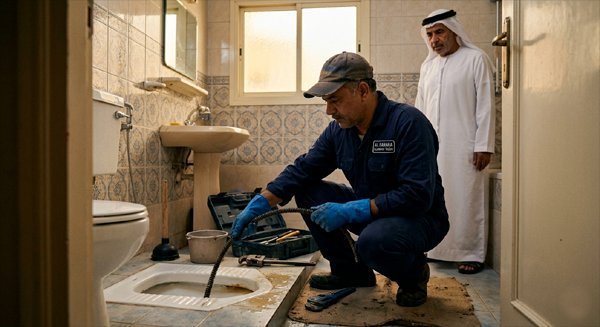
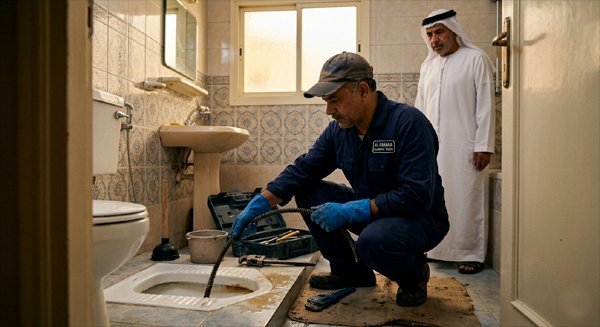
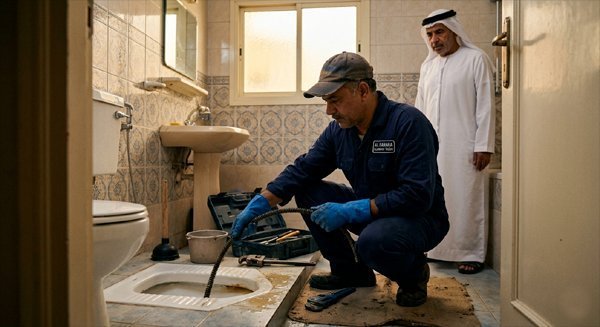
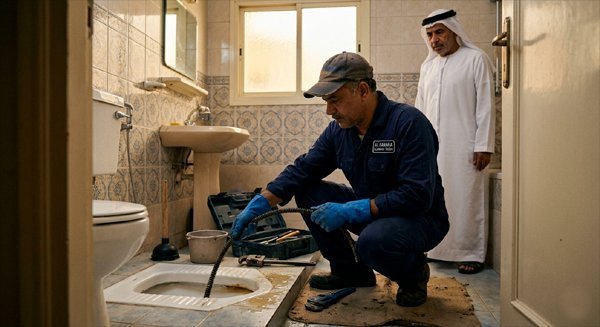
Almost every blocked toilet and kitchen sink traces back to something going down the drain that should not have. None of it seems like much at the time, but it builds up inside the pipe until water cannot pass. Knowing the short list, and a few simple habits, prevents most blockages before they start.
Wet wipes and 'flushable' cloths
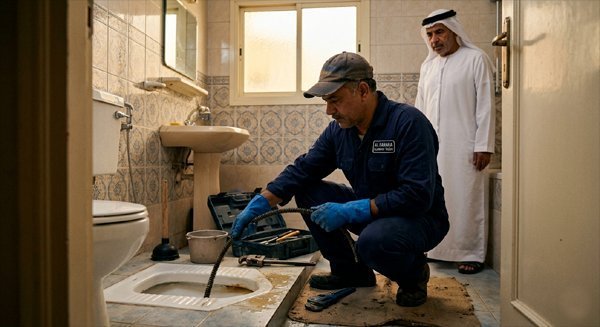
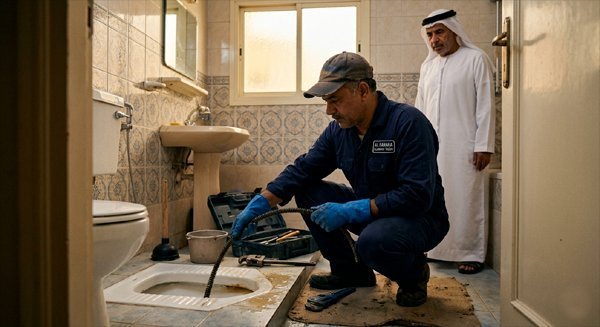
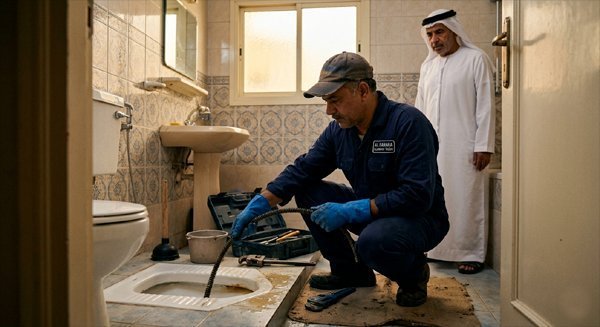
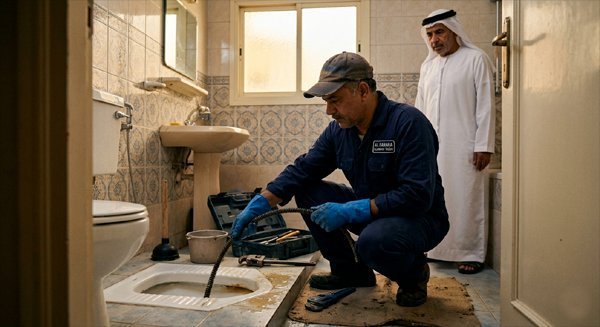
Wet wipes are the single biggest cause of blocked toilets and soil pipes. Even ones labelled 'flushable' do not break down like toilet paper, they stay intact, snag on anything in the pipe, and build into a blockage. The same goes for cleaning cloths, kitchen roll and paper towels. Only the three Ps, pee, poo and toilet paper, should go down a toilet; everything else belongs in the bin.
Cooking fat, oil and grease
This is the kitchen equivalent. Fat and oil are liquid when hot, so they pour away easily, then cool and harden inside the pipe, coating the wall and trapping food until the sink blocks. Pouring hot water after them just moves the problem further down. Instead, let fat cool and scrape it into the bin, or collect used cooking oil in a container. Keeping grease out of the drain prevents most kitchen-sink blockages.
Food scraps, coffee grounds and starchy waste
Coffee grounds, rice, pasta, and other starchy or fibrous food do not break down in the pipe, they clump, swell, or bind with grease into a solid mass. A sink strainer catches most of it before it enters the waste. Scraping plates into the bin rather than rinsing everything down the sink makes a big difference, especially in a kitchen that cooks a lot.
Sanitary products, hair and 'just this once'
Sanitary products, nappies, cotton buds and dental floss do not break down and readily block a toilet or soil pipe. Hair is the main culprit in showers and basins, a strainer over the plughole catches it. The theme is the same throughout: the pipe only handles water, waste and toilet paper, and the occasional 'just this once' is exactly how a slow build-up starts. A bin by the toilet and strainers on the drains prevent most of it.