How Hydro Jetting Actually Works
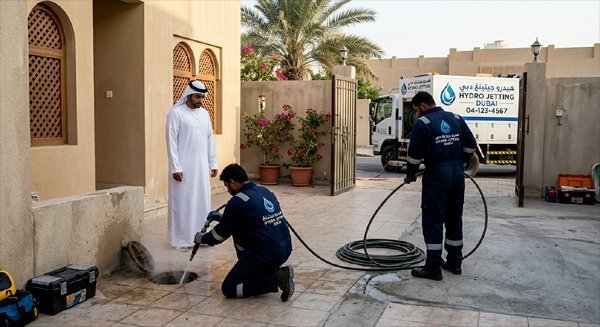
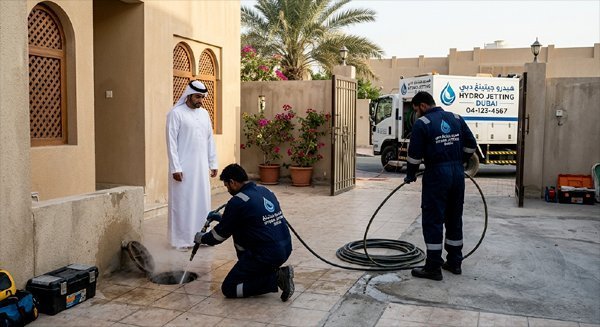
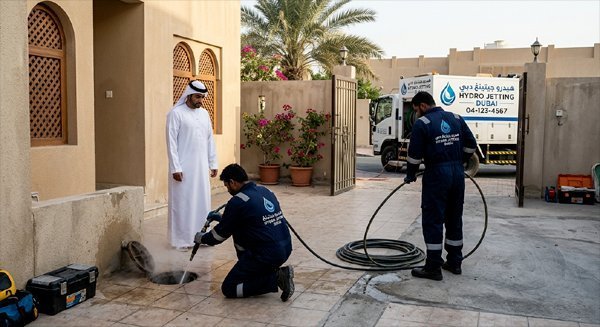
Hydro jetting is the most thorough way to clean a drain, and it is worth understanding what it does differently. A machine pressurises water and sends it down a hose to a specialised nozzle, which drives jets forward to cut through the blockage and backward to pull the hose along and scour the pipe wall clean. The result is not a hole through the clog but a pipe restored close to its original bore.
The equipment and the pressure
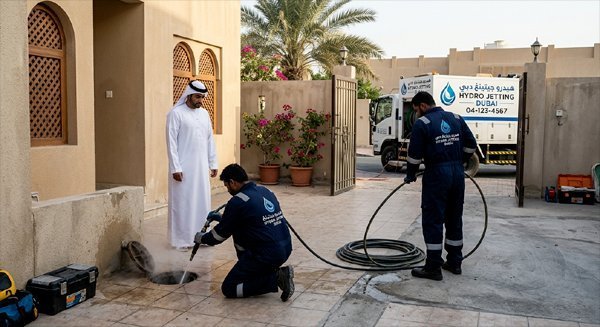
A jetting unit pressurises water, typically in the range of around 3,000 to 4,000 PSI for drainage work, and feeds it through a hose to a nozzle sized for the pipe. The nozzle's rear-facing jets propel it along the line and scour the wall, while a forward jet cuts the blockage. The pressure and nozzle are matched to the pipe, so the method suits everything from a kitchen waste to a main sewer.
What it clears that rodding cannot
Rodding breaks through a solid blockage, but it leaves the grease, scale and build-up coating the pipe, so the drain re-blocks. Jetting strips that coating off the wall and flushes it away, which is why it clears grease-heavy kitchen lines, hard-water scale and recurring blockages, and cuts through root intrusion that a rod only pushes past.

When jetting is the right choice
Jetting is the right tool for recurring blockages, grease and scale, longer runs, and lines you want cleaned thoroughly rather than just opened. For a single solid object in an otherwise clean pipe, a rod may be quicker. A good technician assesses the drain, often with a camera, and uses jetting where its thoroughness pays off. If you are weighing it against rodding for a specific blockage, see hydro jetting vs snaking.
Is it safe for the pipe?
Used correctly on sound pipework, jetting is safe, because the pressure and nozzle are matched to the pipe. On older or already-damaged pipes, a camera check first confirms the pipe can take it, which is why diagnosis before jetting matters. Done properly, it cleans without harming the pipe.