How a CCTV Drain Survey Works
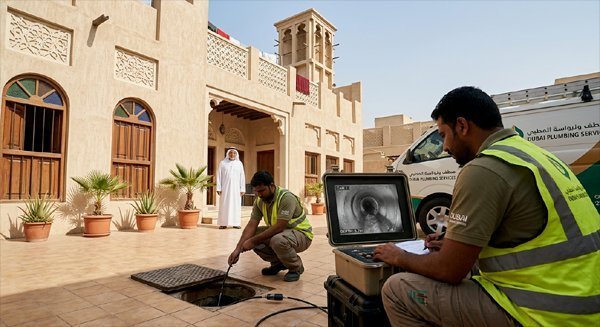
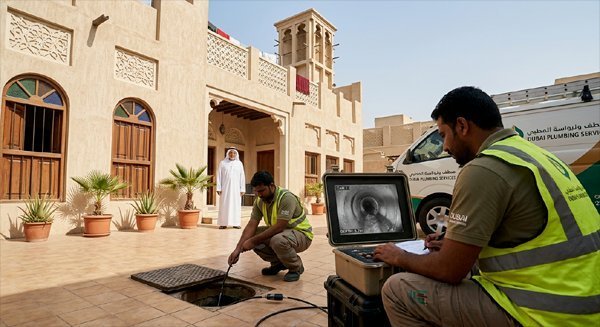
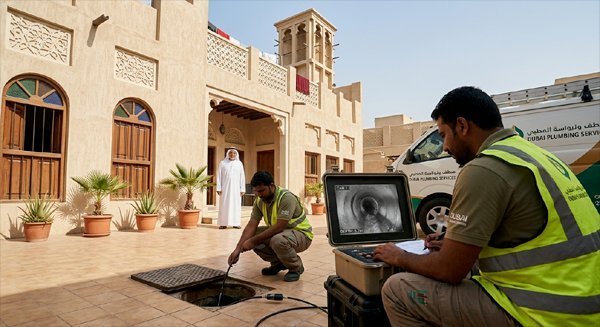
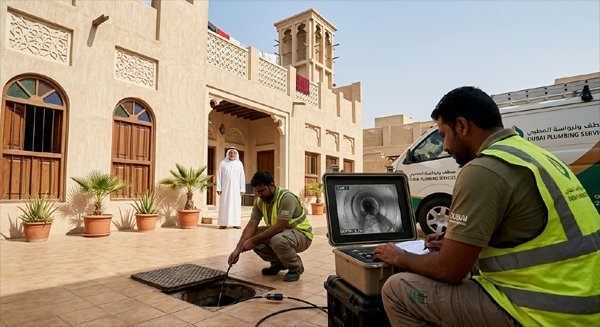
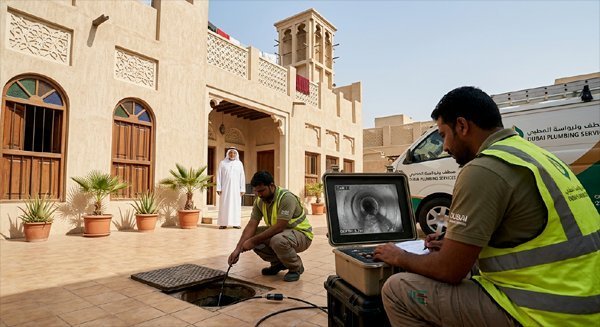
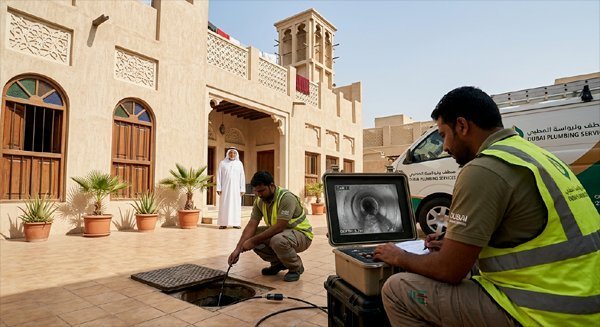
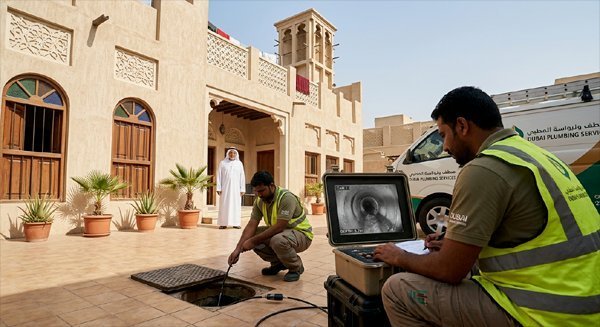
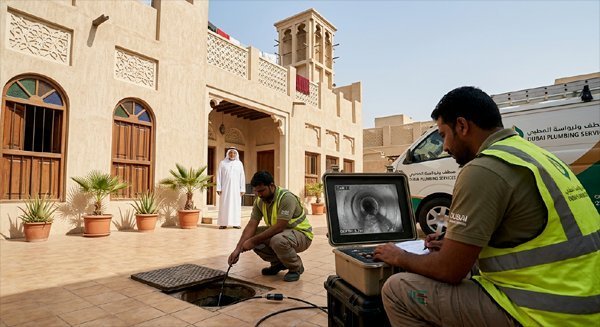
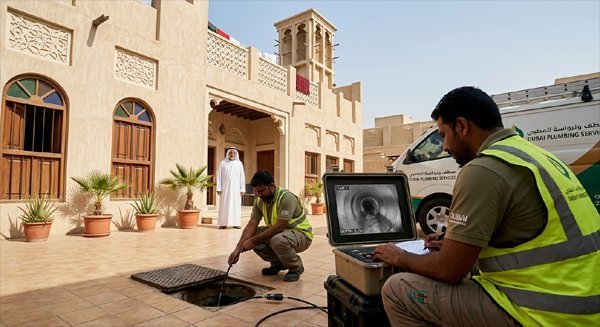
When the cause of a drainage problem is not visible from the surface, a CCTV survey replaces guesswork with evidence. A technician feeds a camera on a flexible rod, or a self-levelling crawler for larger pipes, through the line and watches a live screen, recording the footage. A transmitter on the camera head lets a locator mark exactly where a fault is and how deep, so any repair goes straight to the problem.
What the camera shows
The survey reveals what is actually happening inside the pipe, grease, scale and silt build-up, root intrusion at joints, cracks and fractures, displaced or open joints, and sections that have deformed or collapsed. It also shows whether a blockage is a one-off or a symptom of an underlying fault, which decides the right fix.
Locating the fault precisely
A transmitter on the camera head lets a surface locator pinpoint the position and depth of any fault. That matters because it means a repair can be targeted to the exact spot rather than excavating along a guess, which saves cost and disruption and avoids digging up sound pipe.
When you need a survey
A survey is worth it for a blockage that keeps returning, a smell with no obvious source, slow drains after other causes are ruled out, a dip or damp patch over a drain run, and before buying a villa so you know the drainage condition. It is also the first step before any no-dig repair or excavation.
What you get afterwards
A good survey gives you more than a clear drain, it gives you evidence, the footage of the pipe's condition, the location of any fault, and a clear recommendation. That lets you make an informed decision about cleaning, a no-dig repair or excavation, rather than taking a contractor's word for it.