Why Roots Get Into Drains
In a well-landscaped, well-irrigated setting like a Dubai villa community, roots are one of the more common causes of recurring drain blockages. Roots seek moisture, and a drain carrying water is a target. Where a pipe has a crack, an open joint or a worn seal, fine roots work in, then thicken and branch into a mass inside the pipe. Understanding this is the key to fixing it properly rather than repeatedly.
How to spot root intrusion
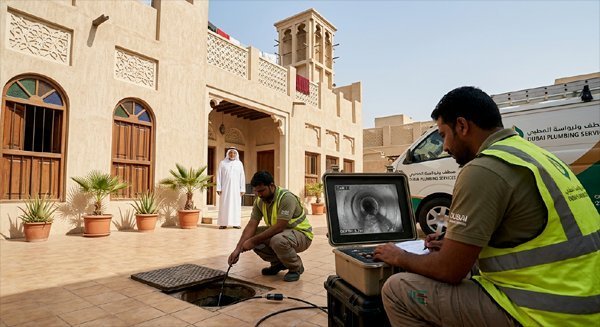
The tell-tale sign is a blockage that returns on a fairly regular cycle, cleared, fine for a while, then blocked again. It is most common on older or longer runs and on plots with mature trees and heavy irrigation. Gurgling and slow drainage come with it. The only way to confirm roots, and find where they are entering, is a camera survey.
Why cutting alone does not last
Cutting or jetting the roots out clears the blockage and restores flow, but the roots regrow from the same entry point, so the blockage returns. That is why a clear alone is a temporary fix for roots. Lasting repair means dealing with the crack or joint the roots came through, not just removing what has grown inside.
How root intrusion is fixed properly
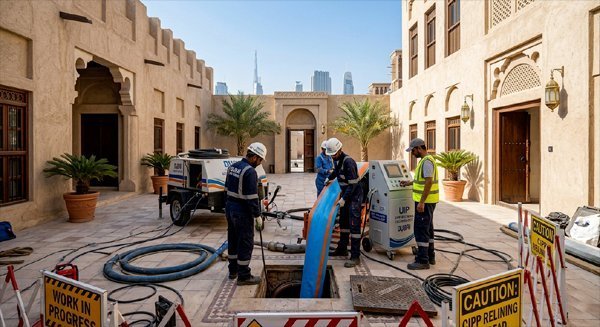
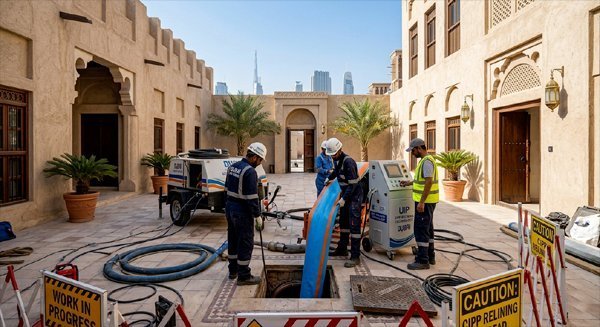
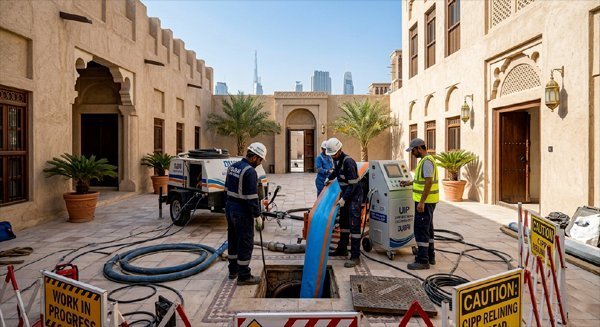
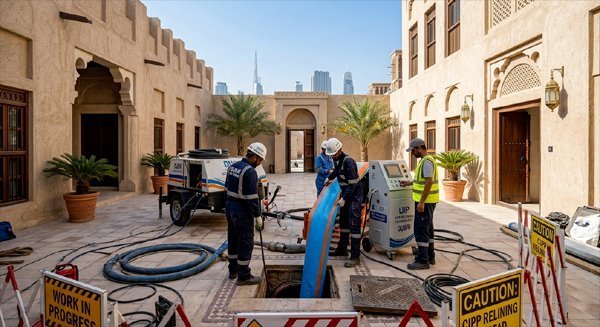
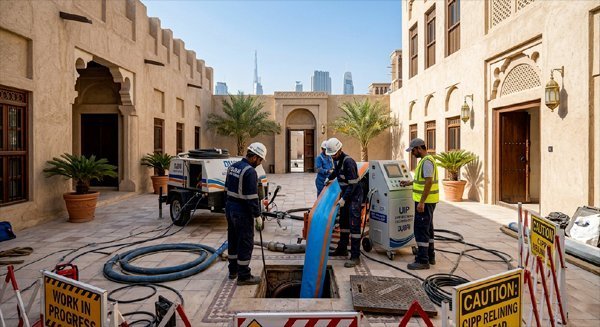
The proper fix is to jet or cut the roots out, camera the line to find the exact entry point, then seal it, often with a no-dig resin liner or patch over the damaged section, so roots can no longer get in. Where the pipe is badly damaged, the failed section is repaired or replaced. Done this way, the problem stops rather than cycling.
Preventing it in the first place
You cannot stop trees growing, but you can catch intrusion early. On a plot with mature landscaping and irrigation, a periodic camera check finds roots while they are fine and easy to clear, before they mass and crack the pipe further. Addressing an entry point early is far cheaper than repeated clears and an eventual collapse.