Repair or Replace, What Actually Decides It
When a drain is damaged, the instinct is to imagine digging up the garden and laying a new pipe. In fact, most drain damage is repaired from the inside without excavation, and full replacement is the exception, reserved for pipes that have genuinely collapsed. The deciding factor is not guesswork or a sales pitch; it is what a camera survey shows about the pipe's actual condition.
What can be repaired
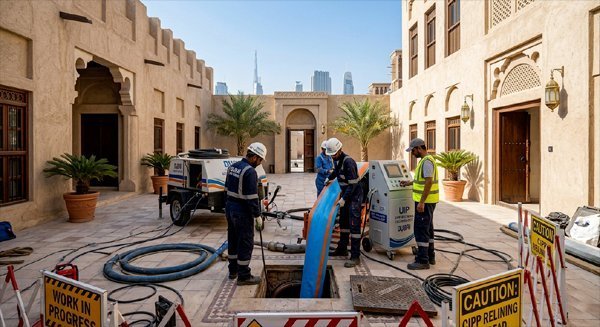
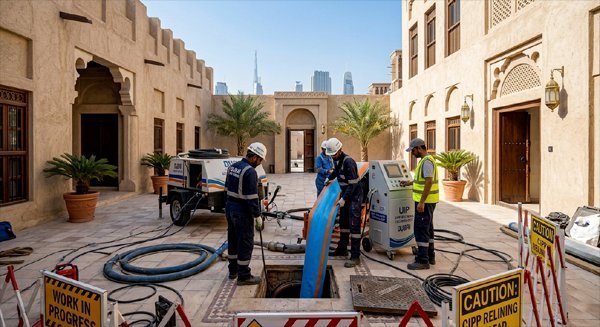
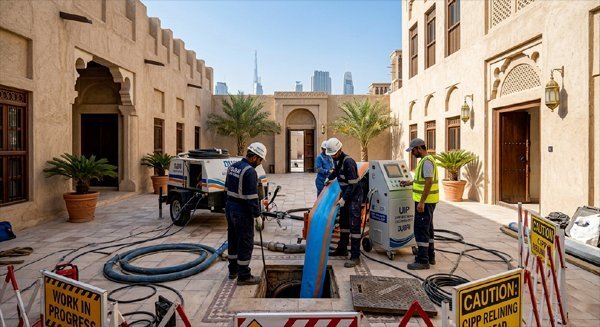
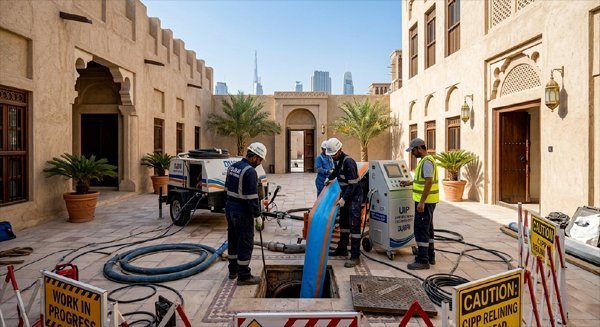
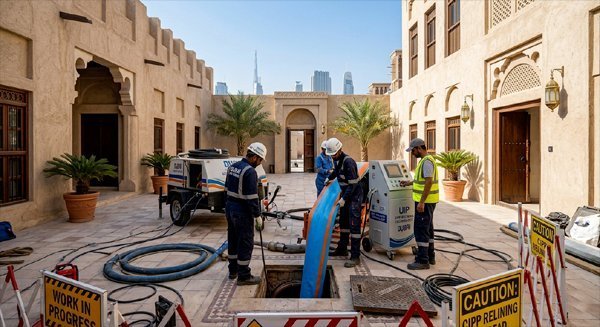
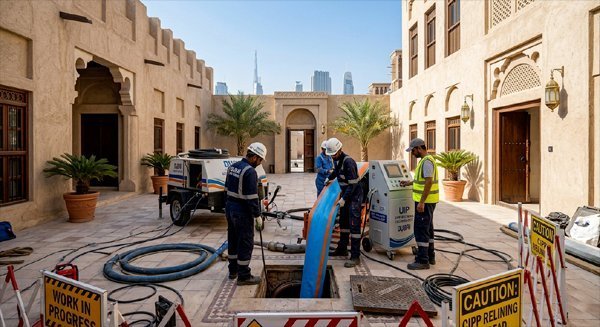
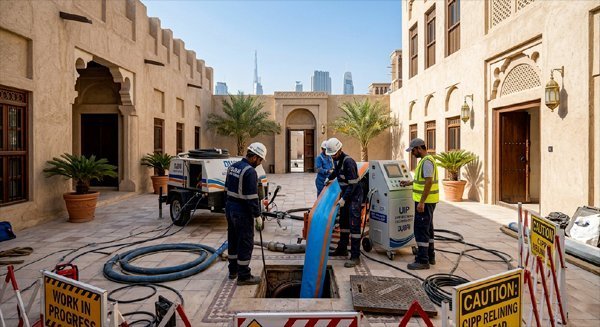
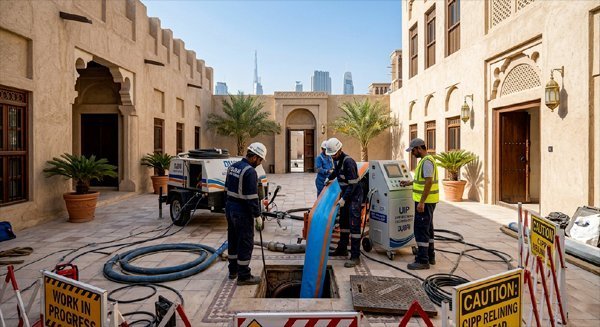
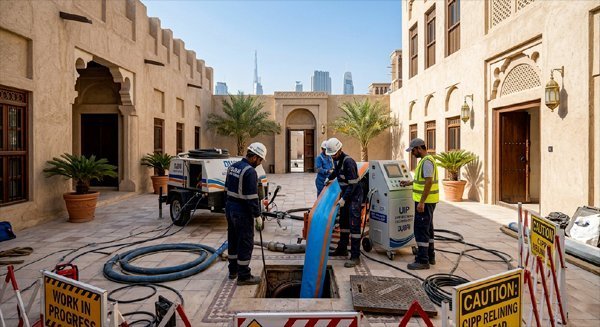
A pipe that is cracked, leaking, has a displaced joint, or has been damaged by roots, but is still roughly continuous, can usually be repaired without digging. A cured-in-place resin liner forms a new pipe inside the old one along a length; a localised patch seals a single defect. These no-dig methods fix the fault, seal out roots, and restore flow, without disturbing the garden, driveway or floor above. That covers the large majority of drain damage.
When replacement is the only option
Replacement is needed when a pipe has fully collapsed and lost its shape, when it is so deformed that a liner cannot be installed, or when a section is missing entirely. In those cases the failed length is excavated and a new pipe laid. Even then, it is usually only the failed section that is replaced, not the whole run, so the work stays proportionate to the damage rather than replacing sound pipe unnecessarily.
Why a camera survey decides
The choice between repair and replacement is not a judgement to be made from the surface, it depends entirely on the pipe's condition, which only a CCTV survey reveals. The camera shows whether the pipe is cracked but continuous (repairable) or collapsed and broken (replacement), and exactly where. Insisting on a survey before any work means the decision is evidence-based, and you are not talked into excavation a liner could have handled.
Cost and disruption compared
No-dig repair is usually less disruptive and often less costly than excavation, because there is no digging, no reinstating paving or landscaping, and the work is quicker. Excavation costs more not just for the digging but for putting the surface back afterwards. That is why a good company confirms with a camera whether the least disruptive method will hold, repairing where possible, and replacing only where the pipe genuinely cannot be saved.